
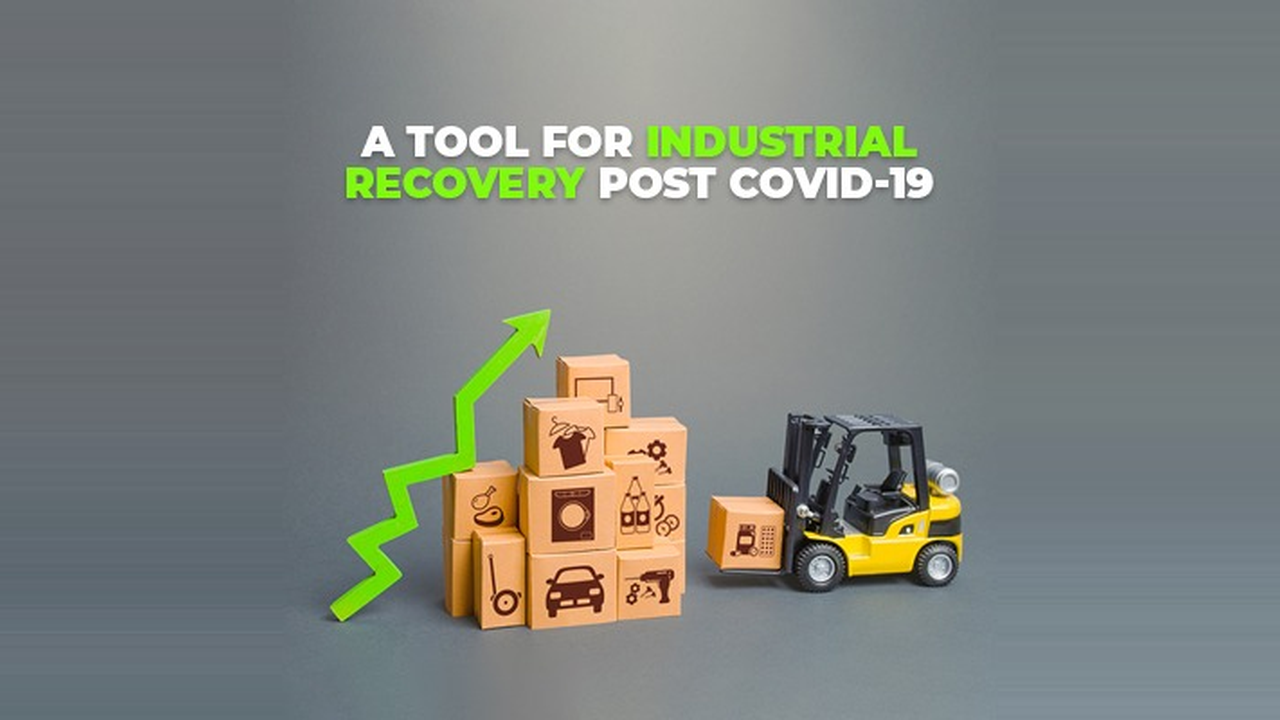
The outbreak of Covid-19 sent the world’s economy into hibernation mode, from which it hasn’t still fully recovered. Countries around the world are still looking around for ways to mitigate the crippling impacts of the pandemic on the industry sector. And while mitigating the full impacts of the pandemic may still be a long-fought battle, industries may ease the pandemic impact by implementing energy efficiency and conservation measures.
The 38th ASEAM Ministers on Energy Meeting, which was hosted virtually in November 2020, endorsed the potential savings of as much as 70% energy in the region from the transport and industrial sectors by implementing the energy efficiency and conservation measures.
This highlights the potential of energy efficiency and conservation measures towards economic recovery. However, for that to happen, the industrial sector would have to invest in technological transformation. Below, we will be looking at some best practices that can help industries to offset the pandemic impacts and improve economic recovery through energy efficiency and conservation measures.
Energy-saving remains a key challenge for industries, as it directly translates into cost reduction and potential growth. Energy Management System offers companies a massive potential to save on energy bills by implementing best practices, as a means to counter the economic impacts of a global pandemic.
For instance, Astra International, which is an Indonesian Company, implemented Energy Management System (EMS) to save up to USD 8million. This helps the company to avoid layoffs to survive the covid-19 pandemic. The company introduced smart timers, as well as, raise employees’ awareness to gain energy savings.
Energy Management Systems (EMSs) are automated computer-based systems that collect the energy consumption data from the devices in real-time. The system presents the energy usage data and patterns in form of interactive reports through dashboards. This enables users to keep up the monitoring of energy consumptions and implement best practices to improve energy efficiency. The use of Energy Management Systems is gradually increasing across the industrial production lines, where it enables industries to reduce operational costs as a means to survive and compete economically. EMS offers the best long-term option for industries to design efficient operational processes by reducing operation costs.
Building Automation System (BAS) is yet another energy efficiency and conservation best practice that promises massive savings for the industries. The BAS system is meant to optimized heating, cooling, ventilation, elevator, and lighting (HVAC) systems in any office or industry. The BAS systems leverage advanced technologies including artificial intelligence, machine learning, and business intelligence to compute and identify the energy consumption patterns, as well as, implement measures for greater energy efficiencies under dynamic conditions.
While Energy Management Systems (EMSs) offers a passive mean to monitor energy usage and saving potential, Business Automation Systems (BASs), offers an active approach to implement energy efficiency measures by controlling electronic devices. The potential energy savings of implementing BAS is massive. For instance, the Ministry of Energy and Mineral Resources, Indonesia saved 318,700 KWH in 2019 by implementing BAS in the building.
The system is also being used at airports including Kuala Lumpur International Airport (Malaysia), and Penang International Airport (Malaysia), and Changi Airport (Singapore) to control waste disposal and jetways. The system also holds great energy-saving potential for industries, where it can be used to manage and optimize various industrial systems for maximum energy efficiency.
Virtual Desktop Infrastructure (VDI) is another effective way to implement energy efficiency and conservation measure in offices and industries. The Virtual Desktop Infrastructure refers to a simple desktop application that uses the organization's network. The application may be accessed remotely by employees.
VDI enables industries and businesses to optimize energy usage by creating various virtual desktops on a single server. This means that the energy consumed to manage industrial/business operations would only be that of a single server, instead of multiple desktops. The Cloud-based VDIs offer the best approach for businesses to minimize energy consumptions across offices and industries.
Also, in the wake of the Covid-19 pandemic, VDI offers industries an excellent alternative to keep up with their productivity through work-from-home practice. According to statistics, VDI systems can help businesses and industries to lower energy bills by over 90%, lower costs by 70%, and improve productivity by over 95%.
Today’s dynamic and uncertain industrial world plagued by the pandemic demands organizations to anticipate unpredictable events and be prepared with the right technology to sustain, survive, and grow. The covid-19 crisis tanked the industrial operations across the world, however, energy efficiency and conservation measures offer industries a unique opportunity to sustain the losses and accelerate the recovery process.
"I was hesitant about switching to solar, but the Voltz team made everything seamless. They walked me through the process, handled all the paperwork, & ensured a hassle-free installation. Their customer service is top-notch!"
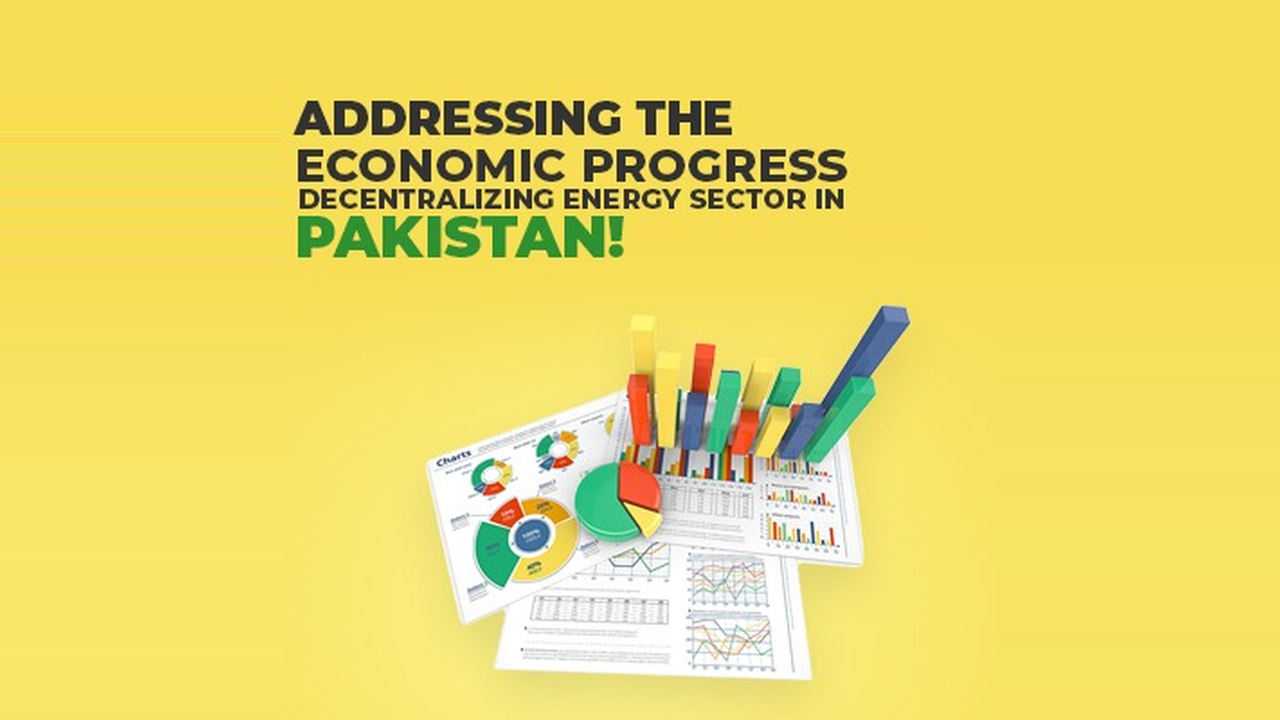
The reasons behind Pakistan’s lack of economic progress can be traced to various components including, political uncertainty, law and order situation, business-friendly environment, low market demand, and trade barriers. However, one important factor that equally impedes economic progress but is often overlooked, the power sector.
Several regional benchmark economies can be used for comparison with Pakistan’s economy; India and Bangladesh being the traditional regional competitive benchmarks. Compared to Bangladesh, Pakistan’s biggest export (Textile) was dropped to just over 9% in 2014, whereas, in a similar year Bangladesh’s textile exports gained 14.5%. Similarly, various international and national industries were forced to shut-down and relocate their operations in neighboring countries and due to power shortages.
Competitive, and consistent electricity supply plays a crucial role to attract foreign investment, as well as, assist in the development of local industries. Access to consistent and affordable electricity is even more important for a country like Pakistan, whose neighboring countries offer one of the cheapest electricity in the world (USD 0.12 KWh for India, and USD 0.09 KWh for Bangladesh). In comparison, Pakistan’s electricity rates stand at USD 0.13 KWh, and to make matters worse, there are serious reliability issues.
To be able to make up for the deficiencies in the power sector, it’s important to look at the modeling of the power sector in our neighboring countries. Bangladesh for once has implemented a credible power sector model that has earned the praise of the Asian Development Bank. The model adopted by Bangladesh is simply to decentralize and open up the sector for private investors. While the step was heavily criticized during the implementation phase, it nonetheless greatly benefitted the economy of the country; pushing it up from just over USD 100 billion to USD 274 billion in a decade.
A similar approach can be traced in the Indian power sector, which’s even more comparable to Pakistan’s sector. Just like the power sector in Pakistan, the Indian power sector also faced grave distributional challenges; mainly due to the centralized approach. However, the country in collaboration with World Bank addressed various challenges by opening up participation to private sectors and improving transparency. As a result, India was greatly improved its ranking in the World Bank’s Ease of doing business – “Getting Electricity” (jumping from 137th position in 2014 to 24th position in 2018). In the same period, the country was able to lower the energy deficit from 4.2% in 2014 to 0.7% in 2018.
Coming to Pakistan’s power sector, the country in past has experimented with multiple models and policies; most of which were relatively successful. However, the inconsistencies in pursuing the policies due to ideological differences of successive governments have greatly reduced any long-term benefit for the country. For instance, Pakistan opened its energy sector to private investors back in the 1990s to address the energy crises. The initiative resulted in the addition of 4,500 MW of energy in the national grid by an independent power producer. It also attracted around USD 5 billion in foreign investment, while transforming Pakistan into a net energy exporter. However, as mentioned earlier, the success and benefits of the initiative were short-lived; mainly due to government regulations.
At present, Pakistan’s power situation is stable. However, that’s mainly contributed to the massive Chinese investment in the sector to ensure the success of the CPEC project. The CPEC project intends to contribute up to 17,000 MW of electricity to the national grid, with the hopes to decrease the cost of electricity, and increase industrial productivity to support the expansion of exports.
While CPEC based energy production will definitely improve the energy security in the country, most of these projects are thermal energy generation projects (coal-based), which will increase the GHG emissions in the country. At a time when the world is increasingly moving towards renewable energy, high GHG emissions from these projects will stain the country’s profile in the international arena as a polluter. Also, while the projects will help Pakistan to beef up its industrial muscles; based on cheap and reliable electricity, they won’t address the underpinning issues including power theft, power losses, policy hurdles, and bureaucratic obstacles.
It’s important to realize that the key problems impeding the energy sector in the country include management issues, corruption, and a non-transparent supply chain system. The vicious circle of energy supply including the government’s Central Power Purchase Agency (CPPA) buying electricity from independent and state-owned energy generation companies (GENCOs), and subsequently selling them to the state-owned energy distribution companies (DISCOs) needs to be improved. That’s because failure on part of one of the players results in the total collapse of the system, and is one of the prime culprits for ever-increasing circular debt in the power sector.
At a time when the power sector circular debt has increased to billions of dollars, the government and policy makers need to come up with a new and smart energy policy, which should include deregulating the power generation companies. This will eventually help power generating companies to achieve market price level without government interference. Decentralization of the power sector will also help curb the genie of corruption and electricity theft while increasing the redemption of electricity bills.
Decentralization of the power sector will also help the power sector to hold government workers accountable for the mismanagement, and inefficiencies. Also, it will help lower the transmission losses; as private companies would invest generously to improve the energy infrastructure in the country.
To sum up, it’s high time to realize the pressing issues in the power sector which have been hindering the economic stability of the country. While the sector is often overlooked due to other issues, it’s a prime culprit that has jeopardized the national security, job market, and foreign policy of the country. There’s an increasing need for the policymakers and stakeholders to come up with a detailed, sustainable, and long-term fix for the energy sector that can address the underpinning issues and help drive the country towards a brighter future.
"As a business owner, energy efficiency is critical. Voltz provided us with a smart energy solution that has significantly improved our operations. Their expertise and cutting-edge technology make them stand out from the competition. Fantastic service!"
"I was hesitant about switching to solar, but the Voltz team made everything seamless. They walked me through the process, handled all the paperwork, & ensured a hassle-free installation. Their customer service is top-notch!"
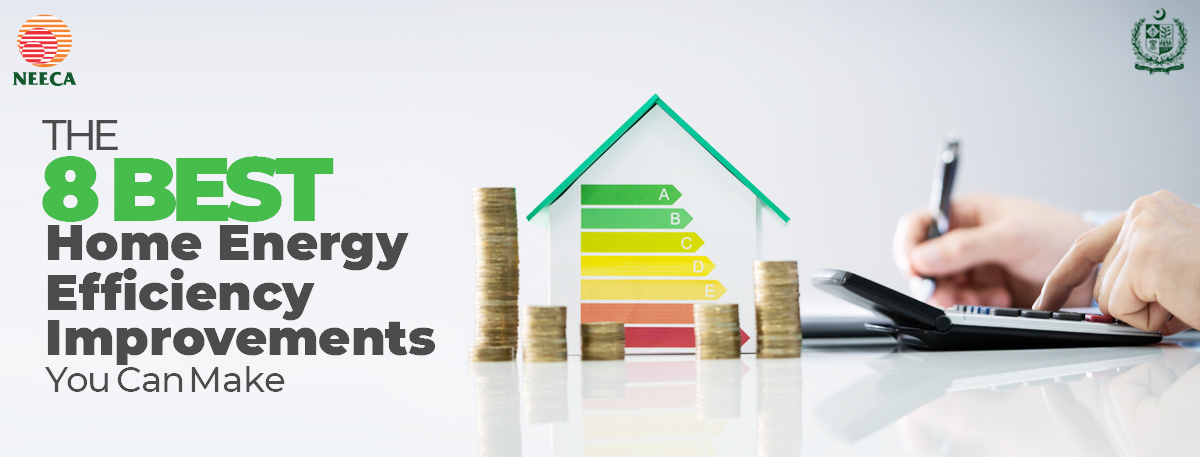
Choosing the right upgrades that can help save money on energy bills, while also adding value to the home is an important consideration for domestic energy consumers.
Since most homeowners in Pakistan aren't well-versed with retrofitting, it's best to start with simple upgrades that are effective in lowering the energy utilization and save them money on bills. For instance, installing weather stripping across doors or sealant around windows are inexpensive yet effective “quick fixes” with a noticeable effect on the inside temperatures and cooling needs. However, these simple fixes definitely won’t add much value to the property.
Since domestic retrofit has never gained much traction in the country, domestic consumers are always shy in committing to any larger upgrades, until the time it becomes necessary. Lack of awareness of the potential benefits and fewer options for the upgrades, as well as, high upfront cost deter domestic users to commit to larger retrofit upgrades; even if it adds value to their homes.
When we talk about domestic energy use patterns, it's important to realize that the domestic energy consumers in Pakistan are paying one of the highest energy prices in the region, while by implementing simple retrofit upgrades, they may save thousands on monthly energy spending.
Here in this blog, we will be looking at some simple retrofit upgrade options that can help domestic users to significantly reduce energy consumption and save large on energy bills.
In the last decade, much progress has been made in manufacturing of modern energy efficient appliances. Switching to newer technology appliances, which are efficient and consume less energy would be the first logical step for domestic energy consumers to save energy.
Fortunately, the market is flooded with newer and energy efficient substitutes such as DC fridges, DC inverter air conditioners, and other appliances that are worthy of investment and can reduce overall domestic consumption and save the amount spent on monthly energy bills.
Unnecessary and unattended appliances add much cost to the monthly energy bills. Fortunately, modern appliances are available with options like; timer and thermostat that allow a domestic user to increase the cooling and heating effect in the room without wasting much energy.
A programmable thermostat helps to achieve the optimum temperature at minimal cost by allowing its user to adjust their environment control system. You can also turn down the temperature when the room temperature is maintained according to your desire, or have it shut down when no one is in the room. A thermostat will adjust the temperature automatically without manual adjustment every time, once you programmed it.
Old water heaters are not only inefficient but can also cause severe damage if bursted. Although, there are very limited options available when it comes to saving energy and cost on water supplies new efficient water geysers are available in the markets that are high in demand now, such as Heat pump water heaters, solar water heaters, and Tankless water heaters, etc.
Tankless heaters produce hot water on demand, unlike the older ones that store that hot water until it is used. Heat pump water heaters use electricity to transfer heat from one place to another instead of producing heat for providing hot water. Solar water heaters use the sun's heat to provide hot water.Replacing old geysers with new energy-efficient heaters can result in less energy consumption and more savings.
Leaving the appliances on standby mode is one of the most common energy wastage patterns amongst domestic users. It's important for domestic consumers to realize that even on standby mode appliances continually receive the power until they are not completely turned off. The good practice is to switch off or shut down the devices when they are not in use. Although individual devices consume less energy on standby mode of what they usually do; the more devices you own, the greater the effect of their ongoing consumption on your energy bills.
Air conditioners have become the necessity of daily life. However, AC consumes a lot of electricity that eventually increases the cost of electricity bills. However, maintaining the right temperature can help you minimize the energy consumption. It is suggested that keeping the AC temperature at 24 degree Celsius or lesser can help you save much energy annually. Remember, while the amount of energy an AC consumes does not depend upon the temperature you set it at, still running it at low temperatures can reduce the overall energy consumption.
Solar power and solar thermals are the fastest growing forms of renewable technology. Solar panels are specially designed that convert solar energy into electricity to power businesses and homes. Solar energies have a great impact on the environment and provide numerous benefits to domestic users. The use of solar panels reduces the amount of energy that you use from the grid. Solar batteries are available that can be used to store the energy to lighten up the homes at night as well. The cost of installing a solar panel is quite high but it reduces the significant cost, energy and also decreases the number of pollutants released every day.
Switching to CFL or LED bulbs can easily lead you to save money. Modern lighting can provide the same quantity of light as older fluorescent lighting while consuming as little as one-third of the energy. Similarly, LEDs are three to four times more efficient than the traditional incandescent lamps they are designed to replace.
Similarly, energy efficient ceiling fans are effective in keeping rooms cooler, and now they have become a lot more sophisticated. Advanced Energy Star Certified ceiling fans are a great way to enhance the energy of domestic homes. There are different fan system available approved by NEECA
Constant Volume Fan Systems: it does not change the air volume supply under different load conditions.
Variable Air Volume (VAV) Fan Systems: it changes the air volume as per the load condition.
These fan systems are specially designed to consume less energy depending upon the load.
Remember, Pakistan have faced chronic electric shortage for long, however with the right approach and more efficient consumption pattern we can save much energy to not just save massively on energy bills but also contribute our bit towards a greener and cleaner environment.
"As a business owner, energy efficiency is critical. Voltz provided us with a smart energy solution that has significantly improved our operations. Their expertise and cutting-edge technology make them stand out from the competition. Fantastic service!"
"I was hesitant about switching to solar, but the Voltz team made everything seamless. They walked me through the process, handled all the paperwork, & ensured a hassle-free installation. Their customer service is top-notch!"
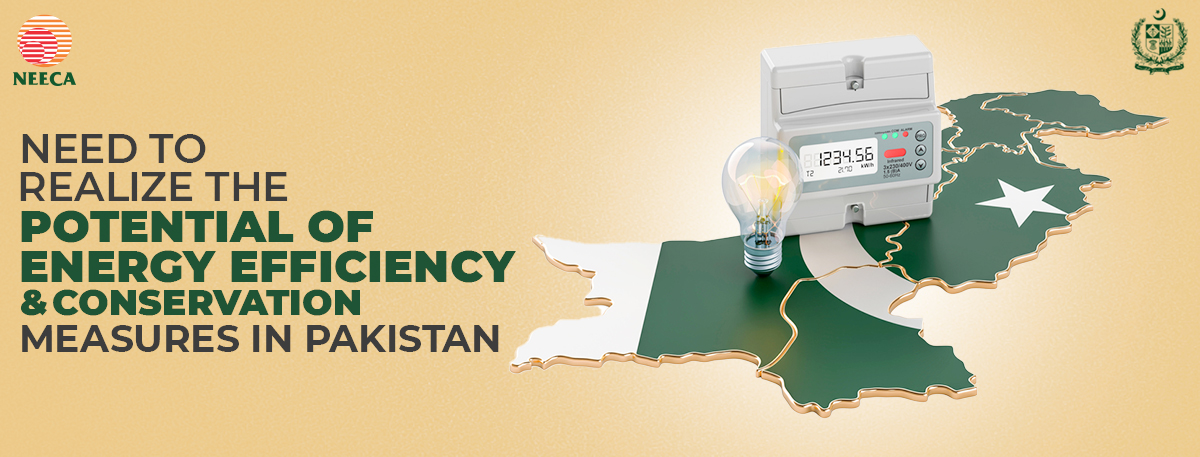
Persuading the people to be more cautious in the use of energy has long been seen as the most effective and simple approach to tackle climate change. However, “persuading people” remains the problem in this approach.
If we are to look at the global policies and programs implemented to encourage energy conservation amongst people, we see a heavy reliance on technological interventions, as well as, economics; consumers save money by saving energy. However, researches have shown that the consumers’ behavior in energy-consumption isn’t always rational and that gentle consistent pushed towards energy efficiency may prove useful.
If we are to look specifically in the context of Pakistan, there is little initiative (if any) that have been taken to persuade consumers for energy conservation. The country has long faced chronic energy shortages, yet in the past, there have been little to no programs that have been initiated to encourage/persuade consumers in adopting efficient energy utilization patterns. With the absence of any technical interventions in the past, the general energy consumption pattern for the domestic households in Pakistan is primarily influenced by economics. Consumers in the lower economic segment tend to be cautious of energy consumption due to the high energy prices, whereas, consumers in the upper economic segment don’t pay much heed towards energy efficiency.
According to the United Nation Intergovernmental Panel on Climate Change, simple lifestyle and behavior changes in energy consumption like setting thermostats higher in summers and lower in winters are greatly effective in reducing energy consumption, while contributing towards mitigating Greenhouse Gases (GHG) emissions. To further add weight to the effectiveness of behavior and lifestyle changes for energy conservation; Richard Thaler, Novel Laureate for Economics noted the effectiveness of nudges in shaping public policy. Richard reported that by raising awareness about the efficient use of energy, public opinion can be molded towards efficient energy consumption.
In general, the households display three distinctive types of behavior towards energy conservation;
Curtailment: This is the most common behavior displayed by energy consumers where the stress is on saving energy by switching off any unattended appliances, lights, or fans
Maintenance: This type of behavior entails taking an active interest in ensuring running conditions of appliances and equipment to ensure energy efficiency
Buying Efficiently: investing in energy-efficient appliances/products
In the context of Pakistan, most of the energy consumers in the country display commitment towards “curtailment behavior”. However, with little initiatives to raise awareness about “Maintenance” and “Buying Efficiently”, the savings from “curtailment” mostly goes in vain.
Keeping in view the important role of consumer behavior in energy efficiency, energy providers in the United States and Europe have implemented various behavior focused initiatives for the residential sector. These initiatives are found to be as effective (even better) than the initiatives in technology-oriented Demand Side Management (DSM). By understanding the consumer behavior towards energy consumption, planning agencies and utility companies can come up with effective policies customized to the consumer needs, as well as, offer them incentives to implement energy-efficient technologies and practices. For Pakistan to have any notable success in energy efficiency goals, it’s important to invest simultaneously in technological interventions, as well as, behavior change programs for users.
Behavior-based energy efficiency initiatives can be broadly classified into two categories;
The education and outreach initiative should focus on reaching out to the consumers about the potential benefits of energy-saving (economics and health), as well as, deliver consumers the times to save energy
The feedback programs should use smart meters to nudge consumers about their energy consumption patterns in form of energy reports or comparisons with similar households.
In Pakistan, smart metering is only recently being launched in big cities like Karachi, Islamabad, and Lahore. However, no initiatives still have been launched by the power sector to give feedback to consumers about their energy consumption patterns. As for awareness, TV commercial campaigns have been launched by public and private energy companies to promote efficient energy consumption amongst users. However, no concrete steps on the ground have thus far been taken to educate and guide consumers about the efficient use of energy.
The key to achieving notable energy efficiency lies with energy utility companies taking ground with the right technology measures like energy reports from smart meters to inform and influence users about their energy consumption patterns. Utility companies also need to open multiple channels of communication with consumers to discuss the benefits of energy conservation from the economic point of view, as well as, for mitigating the GHG emissions.
One persistent critic of energy efficiency programs in the developed world is the rebound effect. The proponent of this theory claims that consumers after adopting energy-efficient technology use excessive energy, thereby offsetting any potential gain from the investment; making it a bad investment. However, in the context of Pakistan where the country still faces hours-long power outages and millions lack access to electricity, this effect has little applicability. Thereby, it’s important to assess the impact of energy efficiency intervention in the larger context; taking into consideration the societal, environmental, and economic benefits such programs have to offer to the consumers.
By reviewing the present state of affairs for energy consumption in the country, it can be said that consumer behavior for energy efficiency solutions is complex with great ambiguity and diversity in attitude, and preferences. Traditionally, energy providers have focused on cost and risk priorities. However, this approach won’t likely support the country’s renewed commitment and advancement towards energy efficiency goals. It is thereby on part of the energy providers to create new consumer-centric programs and competencies revolving about conservation initiatives to attract and gain more market. There are various key imperatives for energy providers to consider for motivating and driving consumers towards efficient use of energy and commit towards energy conservation programs, in line with the Sustainable Development Goals (SDGs).
"As a business owner, energy efficiency is critical. Voltz provided us with a smart energy solution that has significantly improved our operations. Their expertise and cutting-edge technology make them stand out from the competition. Fantastic service!"
"I was hesitant about switching to solar, but the Voltz team made everything seamless. They walked me through the process, handled all the paperwork, & ensured a hassle-free installation. Their customer service is top-notch!"
The electricity market in Pakistan has been characterized in recent years by marked changes in the primary energy sources used for producing electricity. In the fiscal year 1990/91, hydropower still accounted for nearly 45% of all electricity generated in the country, but by 2001/2002 that share had dropped to only 26%. Simultaneously, the share of thermally generated electricity increased from 54% to 71%, most of that the increase is the result of capacity expansion since the early 1990s in response to power shortages and the resultant frequent power outages. Pakistan has little commercially exploitable oil of its own. Consequently, more than 55% of the country’s oil needs were met by imports in the fiscal year 2001/02, according to a report prepared by the Alternative Energy Development Board (AEDB) and Deutsche GesellschaftfürTechnischeZusammenarbeit (GTZ) GmbH.
Though, Pakistan has fewer resources of fossil fuel but the use of fossil fuel in Pakistan is in the hike. It is used at various sectors including at local and residential sector and thus it is obvious that Pakistan is one of the lowest carbon producer countries in Asia but still, it is more affected and vulnerable to Climate Change effects. According to the report of the Global Climate Risk Index, Pakistan ranks fifth on global climate risk index.
Also, Pakistan has signed the Paris Agreement that emphasizes on to mitigate and limit CO2 emissions. The only way to decrease Carbon Dioxide and Green House Gas emission is to limit the use of fossil fuel.
With the advancements in technology and the volatility of worldwide the use of fuel and its prices, the production of energy from Renewable sources and battery-powered generators are on the rise.
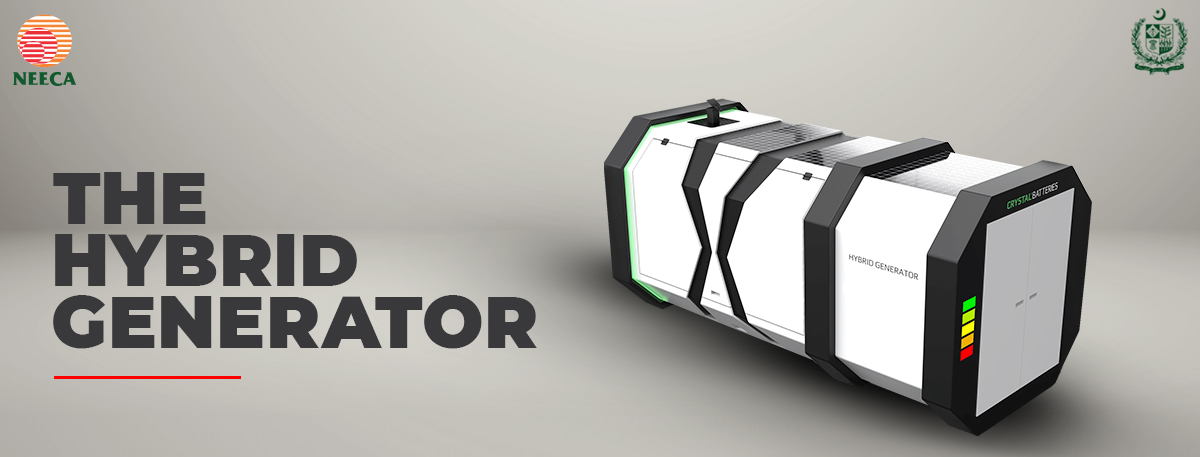
A Hybrid Energy System may be defined as a system in which different energy sources (solar, wind, hydro, diesel generator, etc.), as well as energy storage systems, are interconnected to meet the load energy demand at any time. Given that the electrical contribution of energy, each source (taking individually) is dependent on the variation of the resources (sun, wind, water), and since the load energy requirement fluctuates, the main attribute of such a hybrid system is to be able to generate the energy at any time by optimally using each energy source, and storing excess energy for the later use in deficit generating conditions. The induced optimization problem is to compute the optimal size and operation control of the system with the aim of minimizing its initial, operation and maintenance as well as replacement costs while responding to the load energy requirements.
A combination of a generator, movable solar panels and a battery pack ensures that energy is stored in the green generator so that the required energy can be provided at any moment, completely independent of the energy network and at any desired location.
The green generator is easy movable and positioning has the lowest fuel consumption and is functionally sustainable
The most common and reliable way to utilize a hybrid generator is to combine it with a traditional diesel generator. Very much like a hybrid car, the generator acts primarily as a battery charger or power source when demand is higher, therefore greatly reducing the need for the diesel generator to be running. The reduction in the running time of the diesel generator reduces the emissions output of the generator over a course of a project.
Hybrid generators may also be combined with renewable sources of a generator such as solar or wind to charge the battery. This could mean that in summer months or windy days, the generator is not required to charge the batteries at all, further reducing the project emissions.
To put the above in context, a customer of Power Electrics recently reduced their emissions by 24 tons when using a hybrid generator combined with a diesel generator over a period of 40 days. This is the emissions saving the equivalent of a small family car traveling 64,000 miles.
Along with the green credentials, a Hybrid Generator can reduce the amount of fuel used over a project, therefore reducing project fuel bills.
In summary, hybrid generators are able to provide dependable power which is emissions friendly, can reduce fuel bills, minimize noise on-site and provide a uninterrupted power supply.
"As a business owner, energy efficiency is critical. Voltz provided us with a smart energy solution that has significantly improved our operations. Their expertise and cutting-edge technology make them stand out from the competition. Fantastic service!"
"I was hesitant about switching to solar, but the Voltz team made everything seamless. They walked me through the process, handled all the paperwork, & ensured a hassle-free installation. Their customer service is top-notch!"

Throughout history, humans have built some imposing structures and massive cities, only to see them being destroyed by the forces of nature. If we are to look at some of the most destructive forces of nature, Earthquake is right up at the top. The Earthquake doesn’t just unleash massive destructive forces to eliminate structures and cities, but it’s also one of the few natural hazards that’s hard to predict. The seismic waves generated from the earthquake carries enough destructive power to quash most of the manmade structures claiming lives, and monetary losses.
According to the estimates from the National Earthquake Information Center, our world is jolted on an average of 20,000 times by earthquakes annually. Thankfully out of these 20,000 only around 16 are major earthquakes with the potential to wreak havoc. If we are to look at recent history, a 7.1 earthquake rocked Mexico City on September 20, 2017. This large earthquake claimed over 200 lives, whereas, leaving thousands of people homeless.
For most parts, earthquake doesn’t claim lives directly, rather most of the lives lost to an earthquake are due to the building collapse, entrapping the people inside them, and only if we are able to build earthquake-proof structures, we may be able to save hundreds and thousands of precious lives.
Fortunately, in the past decades, massive research has been dedicated to the construction of stronger earthquake-proof structures. Engineers and scientists have introduced various new design concepts along with better materials to create structures capable of withstanding earthquakes.
Let’s see how engineers and scientists are creating state-of-the-art earthquake-proof buildings today!
Before we move on to see the amazing technology giving rise to earth-quake proof buildings, first let’s try to understand how earthquakes impact the building structures.
The earthquake is generated due to the movement of two or more tectonic plates lying deep beneath the Earth’s surface, as well as, along the faults. Majority of the earthquake occurs long the plate boundaries of continental or oceanic plates. As the plates move relative to each other, they send out massive shockwaves across all directions. Most of the building structures are capable to withstand the vertical forces generated by the earthquake; given their weight and gravity. However, the side-to-side forces (surface waves) are one that wreaks havoc on buildings.
These side-to-side forces (surface waves) cause walls, columns, connectors and beams of the buildings to vibrates uncontrollably. This uncontrolled and varying vibration of the top and bottom of the building generates massive stress on the supporting frame of the structure, which eventually leads to the rupture and collapse of the building.
Now that we have a basic understanding of the building collapse process, let’s move on to see how engineers and scientists are creating earthquake-proof structures. To be able to develop a structure to withstand the earth’s destructive forces, engineers and scientists need to find ways to reinforce the structure that can counteract these side-to-side forces. And since these forces push the building structure sideways, the key is to have a structure that counteracts and pushes the opposite way.
Below are some latest methods used to develop earthquake-resistant buildings across the world;
One of the widely adopted methods to create earthquake-resistant buildings is to “pull” the structure’s foundation above the ground. The method includes creating the building’s structure on “base isolation”, which is made up of flexible pads from lead, rubber, and steel. In this case, the isolators vibrate against the side-by-side forces in any event of an earthquake. This arrangement ensures that the structure itself remains steady and not exposed to the destructive sideway forces, which are effectively absorbed by the “isolator pads”.
You must be aware of the working principle of “shock absorbers” in cars used to withstand bumps on roads. Using the same principle, engineers also design shock absorbers to create earthquake-resistant buildings. The purpose of shock-absorbers in buildings is much similar to that of the car; reduce/dampen the impact of the forces (shockwaves in this case). Pendulum dampers and vibrational control devices are two popular methods used by engineers to accomplish this task.
Apart from creating procedures and tools to counteract incoming earthquake forces, scientists are also aggressively working with ways to reroute or deflect the incoming forces altogether. This particular research method is termed as “seismic invisibility cloak”, which involved the development of a cloak made with 100 concentrated plastic and concrete rings. These cloaks are buried deep beneath the foundation of the building, so as to reroute the incoming energy away from the building’s foundation.
For buildings to withstand the destructive forces of an earthquake, the foundation needs to reroute/redistribute the shockwaves. This can be achieved by reinforcing the building’s structure with moment-resisting frames, cross braces, and diaphragms.
Shear walls particularly are a useful method to reroute/dissipate the shockwaves. These walls are constructed using panels and supported by diagonal cross braces meant to assist buildings in keeping their shape during the earthquake. The steel beams used as support for shear walls also act as stress dissipater by means of counteracting the shockwave.
Diaphragms are an integral component of all building’s structures and include the floors, roofs, and decks placed over them. Diaphragms nullify the tension from the floor by pushing incoming forces to the vertical structures of the building.
Lastly, the moment’s-resisting frames are meant to add flexibility in the design of the buildings. These frames are added to the building joints to keep them rigid while allowing the bending of columns and beams. This ensures that the building structure is capable of withstanding large destructive forces, giving designers more space to arrange the building elements.
The quality and characteristics of the materials used in the construction of the building also play a vital role in maintaining the stability of the building. Below are some of the better-suited materials used in the construction of earthquake-proof buildings;
High ductility is an important characteristic of the material required to maintain the building’s stability in any event of high stress and vibration. Ductility can be broadly defined as the capability of the material to undergo large deformations and stress.
Most of the modern-day buildings are constructed using structural steel, which comes with an inherent property of high ductility and support buildings to bend greatly without breaking. Wood is another high ductile material given its lightweight and high strength structure.
Steel and woods aren’t the only materials, rather scientists are working with various other new building materials with even better ductility and shape retention properties. Shape memory alloys are one such super-innovative material that comes with the capability to endure massive strains and regain its original shape. Similarly, fiber-reinforced plastic wrap is another innovative material that is made of a variety of polymers. This material is being used to wrap columns of buildings and has proven to add as much as 38% strength and ductility to the building structure.
Apart from the synthesized materials, scientists are also working with natural materials like sticky fibers of mussels, bamboo, and spider silk to test out their ductility and strength capabilities to support building structures against earthquakes' destructive forces.
Seismic engineering is a complex process and requires a great deal of research and innovation. However, as the cities across the world expand, countries need to invest in state-of-the-art building structures to avoid the catastrophic destruction of earthquakes. The 1945 Quetta earthquake and the 2005 Balakot earthquake are some silent reminders of the level and scale of destructions this natural hazard poses to the existence of our cities. It’s high time to rethink our cities existence and develop a robust strategy to make our buildings earthquake resistant.
Ministry of Housing and Works, Government of Pakistan carried out extensive research to develop the “Building Code of Pakistan – Seismic Provisions” in 2007. The codes also developed the seismic zonation of Pakistan (Fig-1) for understanding the potential seismic hazard, and risk in different regions of the country. Pakistan has been divided into 5 distinctive zones concerning the seismic hazard including; Zone 1, Zone 2A, Zone 2B, Zone 3, and Zone 4. Each of these zones represents a different level of seismic hazard with respect to the peak ground acceleration (PGA) values, and potential damage to the elements at risk. The building code of Pakistan – Seismic Provisions (2007) serves as the reference material for all the housing and construction taking place across the country.
NEECA is actively working with Pakistan Engineering Council (PEC) for updating the Building Codes of Pakistan (BCP) for all aspects related in designing of safe and energy efficient building structures to be constructed across Pakistan. PEC is the central body responsible for revisiting and updating the BCP after every five years or as and when deemed necessary. NEECA is working in close collaboration with PEC in regularly revising the BCP when deemed necessary.
"As a business owner, energy efficiency is critical. Voltz provided us with a smart energy solution that has significantly improved our operations. Their expertise and cutting-edge technology make them stand out from the competition. Fantastic service!"
"I was hesitant about switching to solar, but the Voltz team made everything seamless. They walked me through the process, handled all the paperwork, & ensured a hassle-free installation. Their customer service is top-notch!"




"As a business owner, energy efficiency is critical. Voltz provided us with a smart energy solution that has significantly improved our operations. Their expertise and cutting-edge technology make them stand out from the competition. Fantastic service!"